How physical distancing will influence the future of contactless service
The coronavirus pandemic has led many consumers to think differently about how every action can affect the people around them. As distance becomes the new normal, and even after the pandemic subsides and people remember how quickly and easily a virus can spread, restauranteurs are considering a future of no- or low-contact operations. Here are four ways physical distancing will impact contactless restaurant service.
1. Adding social distancing into the restaurant design
As restaurants begin to open their doors to allow dining room service again, it’s critical to make guests feel both welcome and safe. Previously, the goal was to pack as many people in as possible. But now you may need to rethink your layout to offer more space between tables, chairs and bar seats.
2. Keeping the focus on delivery, curbside and takeout
Today, all kinds of consumers happily choose takeout, curbside and delivery. And those preferences and behaviors could be here to stay, even if the coronavirus doesn’t. Customers may even start to prefer contactless delivery, where drivers leave food at the doorstep or in an area that doesn’t require face-to-face interaction with the driver. Restaurants might also rethink the layout of their curbside pickup areas to allow a driver or customer to pick up the order in a way that both reduces unnecessary contact and makes the experience more efficient.
3. Adding new contactless payment technology
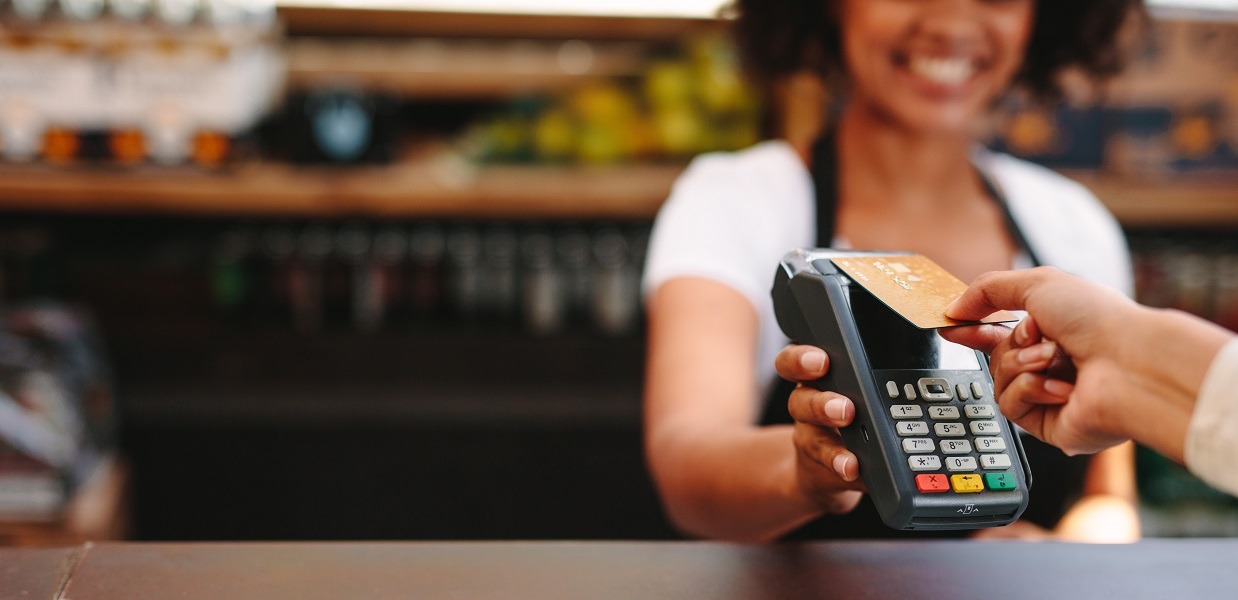
As restaurants reopen and transition to a new normal, consumers will likely remain cautious; they’ll want to avoid unnecessary touchpoints, and this includes payments. This could mean investing in technology that enables tableside payment, or online ordering platforms that don’t require any physical contact. It could also include integrating technology into your payment terminals to enable mobile wallets and tap-to-pay credit card payments.
4. Seeing online ordering continue to grow
Restaurants have the opportunity to grow and invest in additional digital channels to serve consumers who have developed a preference for the convenience and speed of take-away. Online ordering is a potential way to help offset the loss in tables while still serving guests. It might also be a good time to think about implementing a digital loyalty platform to drive brand affinity and stay top of mind when customers can’t come in to dine.
As talk of reopening businesses continues to play out around the world, it’s a good idea to spend some time evaluating what has and hasn’t worked for your restaurant during this off-premise period—and how you can further optimize your menu, operations, ordering platforms, kitchens and staff to best serve a digital ordering community that’s here to stay.
Source: NCR.com/coronavirus/restaurants.